Aids May Be Transmitted by Which of the Following Activities
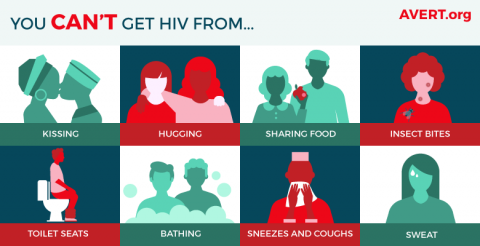
By hugging shaking hands sharing toilets sharing dishes or closed-mouth or social kissing with someone who has HIV. Use a barrier method during sex.
/hiv-transmission-5086570-Final-13ee7bc434564d2cbab3a3734327ef0c.jpg)
How Is Hiv Transmitted
HIV belongs to the group retrovirus.

. Sexual contact with an infected person. Government Agencies Working to End HIV and AIDS Around the WorldAgencies across the federal government are involved in implementing the Presidents Emergency Plan for AIDS Relief PEPFAR the largest commitment by any nation to address a single disease in history. Oral sex involves putting the mouth on the penis fellatio vagina or vulva cunnilingus or anus rimming.
The most common way that HIV Is spread is through sex including oral and anal sex thats not protected by condoms. Though the CDC discovered all major routes of the diseases transmissionas well as that female partners of AIDS-positive men could be infectedin 1983 the public considered AIDS a gay disease. Or engaging in closed-mouth or social kissing with a person with HIV.
Blood contamination - HIV may also be spread through contact with infected blood. The virus can also spread if infected fluids come into contact with damaged tissue such as a cut in the skin or if infected blood is transferred from a needle or syringe. How Is HIVAIDS Transmitted.
Doing injection drugs. What activities can put me at risk for both STDs and HIV. Sexual contact - HIV is spread most commonly by sexual contact with an infected partner.
Saliva tears or sweat that is not mixed with the blood of a person with HIV. However due to the screening of blood for evidence of HIV. These agencies support a range of global HIVAIDS activities from.
17 rows Factors that may increase the risk of HIV transmission include sexually transmitted diseases acute and late-stage HIV infection and high viral load. AIDS is caused by HIV virus. AIDS stands for Acquired Immuno Deficiency Syndrome AIDS It was first reported in the USA in 1981.
A more rapid progress. The acquired immunodeficiency syndrome AIDS is a type of interminable and conceivably life-undermining condition that is brought about by the human immunodeficiency virus or HIV. Before you review how the virus is transmitted during the exercise question 2 discuss the following with participants on a flip chart.
HIV is a sexually transmitted infection STI. This includes semen blood vaginal fluids or breast milk. Factors that may decrease the risk include condom use male circumcision antiretroviral.
Three misconceptions are that AIDS can spread through casual contact that sexual intercourse with a virgin will cure AIDS and that HIV can infect only gay men and drug users. There is little to no risk of getting HIV from the activities below. If you are sexually active get tested for STDs and HIV regularly even if you dont have symptoms.
Sexual contact blood transfusion and sharing a hypodermic needle In reference to damage control shoring what. It is caused by the Human Immunodeficiency Virus HIV. Here are a few things to consider.
Having multiple sex partners. Sharing dishes silverware or drinking glasses. There must be a route of transmission by which body fluids are exchanged.
It can spread through various means like. HIV cannot thrive in the open air or in parts of the body with high acid content such as the stomach or bladder. You need to know whether they are interested or could be with the right messaging before you expend a lot of effort developing an event or activities.
Infection by a virulent strain of HIV having a high viral load setpoint a certain level of HIV replication that varies from person to person older age and the abuse of drugs or alcohol. By harming your immune system HIV meddles with your bodys capacity to battle infection and disease. In addition having a sore or break in the skin from an STD may allow HIV to more easily enter your body.
Your stakeholders may no longer respond to messaging about a specific Awareness. AIDS may be transmitted by which of the following activities. It does not spread by.
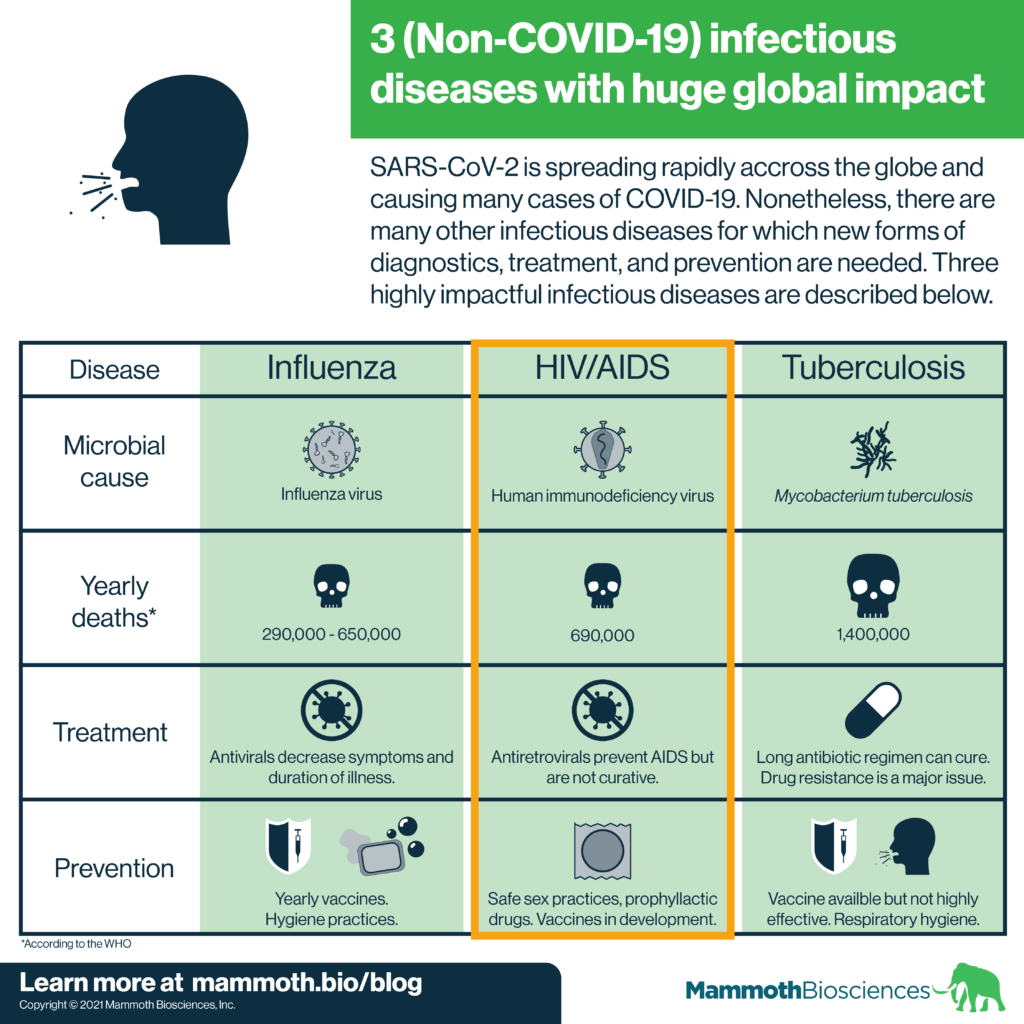
It has an RNA genome enclosed in an envelope. It is spread by contact with certain bodily fluids of a person with HIV most commonly during unprotected sex sex without a condom or HIV medicine to prevent or treat HIV or through sharing injection drug equipment. But there are powerful tools that can help prevent HIV transmission.
Some sexual activities have a higher HIV. Touching kissing and socialising with the infected person. From a pregnant mother to her child during birth or breastfeeding.
Evaluation begins with checking with your stakeholders before planning an eventactivity. Here are seven things everyone needs to know about how HIV and other STIs can be transmitted during sex and what types of activities may affect the risk. Factors that may affect the risk of getting HIV include.
Latex condoms for people with. Factors that may cause a more rapid progression to AIDS are. Primary routes of transmission include certain sexual activities shared needles healthcare exposure or.
By sexual contact with an infected person. Through other sexual activities that dont involve the exchange of body fluids for example touching. Transmission of HIV occurs in the following ways.
Mosquitoes ticks or other insects. Having anal vaginal or oral sex without a condom. A way for the body fluid to get into the bloodstream of another person.
Through saliva tears or sweat. HIV can also be transmitted by sharing needles and using blood containing HIV. Condoms provide a type of barrier method to prevent the transmission of HIV and other STIs.
304 305 In 2014 some among the British public wrongly thought one could get HIV from kissing 16 sharing a glass 5 spitting 16 a public toilet seat 4 and coughing or sneezing 5. Most people who get HIV get it through anal or vaginal sex or sharing needles syringes or other drug injection equipment for example cookers. If left untreated HIV can lead to the disease AIDS acquired immunodeficiency syndrome.
How Are US. The virus enters the body through the lining of the vagina vulva penis rectum or mouth during sexual activity. A body fluid containing enough of the virus blood semen vaginal fluids andor breast milk.
Transfusion of contaminated blood. For transmission to occur something very unusual would have to happen. Eating meals with an infected person.

Pin On 29 Trauma Abuse

Pin On Aetc Program Resources

Pin On Hiv Prevention

Pin On Aaa B

Human Growth And Development Sexually Transmitted Diseases Notes And Quiz Human Growth And Development Sexually Transmitted Sexually Transmitted Diseases

Pin On Health Lessons

Pin On Web Design Tutorials Website
Hiv Aids Petersen Clinics

Pin On Hiv Campaigns

Pin On Sexologist Doctors In India

Pin On Hiv Aids Awareness
Infectious Disease Spotlight Hiv Aids Mammoth Biosciences

Pin On Hiv Aids
Pin On Health Education

Pin On Avert Fact Sheets

Boarder Halloween Bulletin Boards College Bulletin Boards Health Bulletin Boards

Pin On Did You Know

Pin On Health Resources Teaching

Pin On Facts And Myths


Comments
Post a Comment